
Indiana Schools Could Claim $800,000 in Federal Energy Incentives But Are Missing Out
Most Indiana schools are missing out on roughly $800K in available federal energy incentives because the IRA funding process is complex. Specialized energy grant firms can help schools unlock far more of these funds, modernize their facilities, cut utility costs, and improve learning environments. With deadlines approaching, schools need to start the process soon to secure the benefits.

🔲 Indiana schools are leaving an average of $800K in federal energy funds on the table.
🔲 Only 3% of schools access IRA incentives, specialists help recover up to 80%.
🔲 A proven 15 month path unlocks major savings through roofing, solar, and battery upgrades.
🔲 Act now, June 2026 deadline looms for schools to claim transformative clean energy funding.
Most Indiana schools are missing out on $800K in Inflation Reduction Act energy incentives. Right now, Indiana's nonprofit schools have an average of $800,000 in unclaimed federal energy incentives waiting to be used. That's real money that could upgrade classrooms, modernize facilities, and lower utility bills for decades.
The issue?
Most schools don't know how to access it.
What’s Driving This Funding?

These opportunities come from the Inflation Reduction Act (IRA), the largest federal investment in clean energy and efficiency in U.S. history.
Under the IRA, schools and nonprofits can claim energy efficient building deductions up to $5.81 per square foot, solar investment tax credits, battery storage incentives and additional grants and rebates for HVAC, insulation, lighting, and roofing.
Together, these can translate to hundreds of thousands, or even millions, in available funding per facility.
Why Schools Are Missing Out

Despite the size of these incentives, only 3% of Indiana schools have successfully accessed them. The primary barrier is complexity.
Stacking multiple federal programs requires licensed engineers, DOE approved modeling, prevailing wage documentation, and third party verification.
It's not traditional grant writing, it's specialized, technical work that blends engineering and finance. That's why most schools using internal grant writers only capture about 8% of available funds.
The Smarter Solution? Energy Grant Stacking Specialists
Specialized energy grant firms have emerged to help schools navigate these programs. Their entire focus is on maximizing federal incentive capture while maintaining full compliance.
These firms average 70 to 80% capture rates, compared to the 8% schools manage on their own.
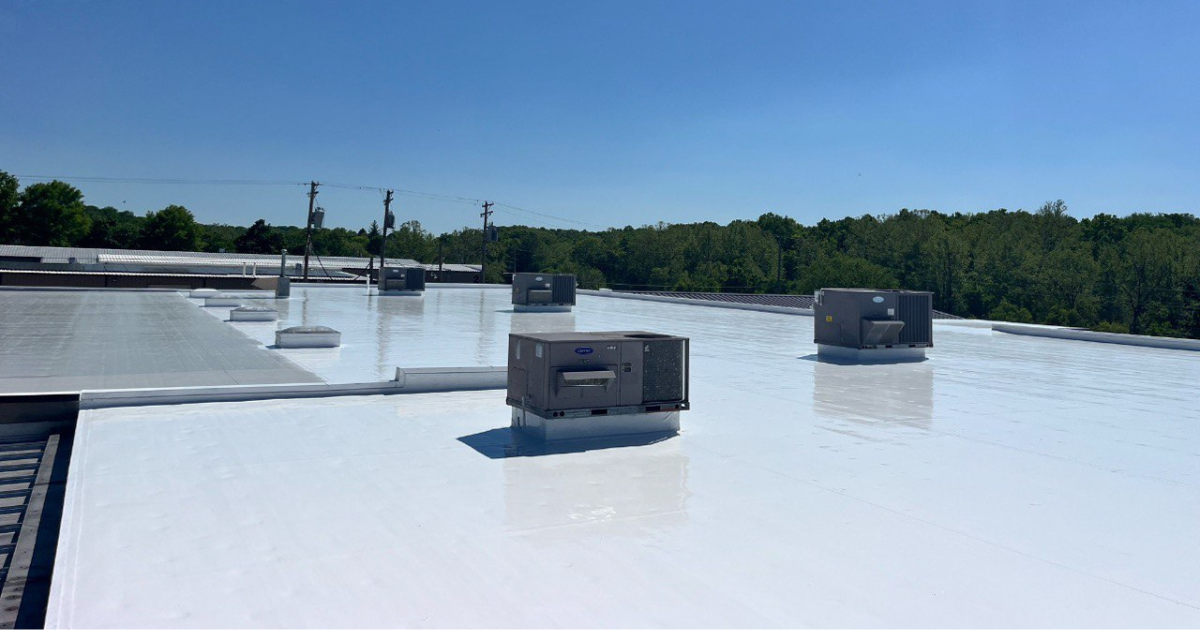
A proven example starts with reflective roofing systems that improve efficiency, then layers on solar integration and battery storage, each unlocking new incentives that can be stacked together for maximum return.
The 15 Month Path to Funding
The full process typically takes about 15 months, broken down into four clear phases.
Months 1 to 2 Assessment & Planning
Energy audits and modeling establish a baseline while experts analyze grant opportunities and financial projections to determine exactly how much funding your school qualifies for.
Months 3 to 4 Design & Documentation
System designs are finalized, grant applications are prepared, and contractors are aligned for compliance, turning ideas into detailed plans.
Months 5 to 12 Implementation
Construction and installation take place in phases, with all compliance and reporting handled by specialists so schools can stay focused on education, not paperwork.
Months 13 to 15 Optimization
Final performance verification ensures systems deliver results, new grant opportunities are identified, and planning begins for future upgrades.
This structured approach helps schools move confidently from assessment to lasting energy savings.

Real Benefits Beyond the Bills
Energy upgrades deliver more than just lower bills. They create long term, community wide impact.
✅ Healthier learning environments, consistent temperatures and air quality boost student comfort and performance.
✅ Community trust, sustainability commitments enhance reputation and attract support from parents and donors.
✅ Resilience, facilities equipped with solar and battery systems stay operational during outages.
✅ Future proofing, energy efficient systems reduce costs for decades, freeing resources for educational programs.

Who Can Help Schools Access These Funds
Behind this initiative is Pristine Industrial Roofing, a Midwest company with 48 years of experience serving Lake and Porter Counties and beyond. It is BBB accredited and Conklin certified.
By expanding our services into federal energy grant consulting, we help schools unlock IRA funding opportunities, often guaranteeing minimum savings or waiving fees if thresholds aren't met.

Act Before the Deadline
Given a construction deadline of June 2026 and an average project timeline of 15 months, the time to start is now.
Find out exactly how much funding your school qualifies for, often averaging around $800,000 in support.
Don't let federal dollars go unclaimed. Start your school's clean energy journey today.
We Love Conversations
 SoHelpful@PristineIndustrialRoofing.com